Your Guide to Small Memory Care Homes in Charlotte
Boosting Life Quality With Specialized Memory Care Services
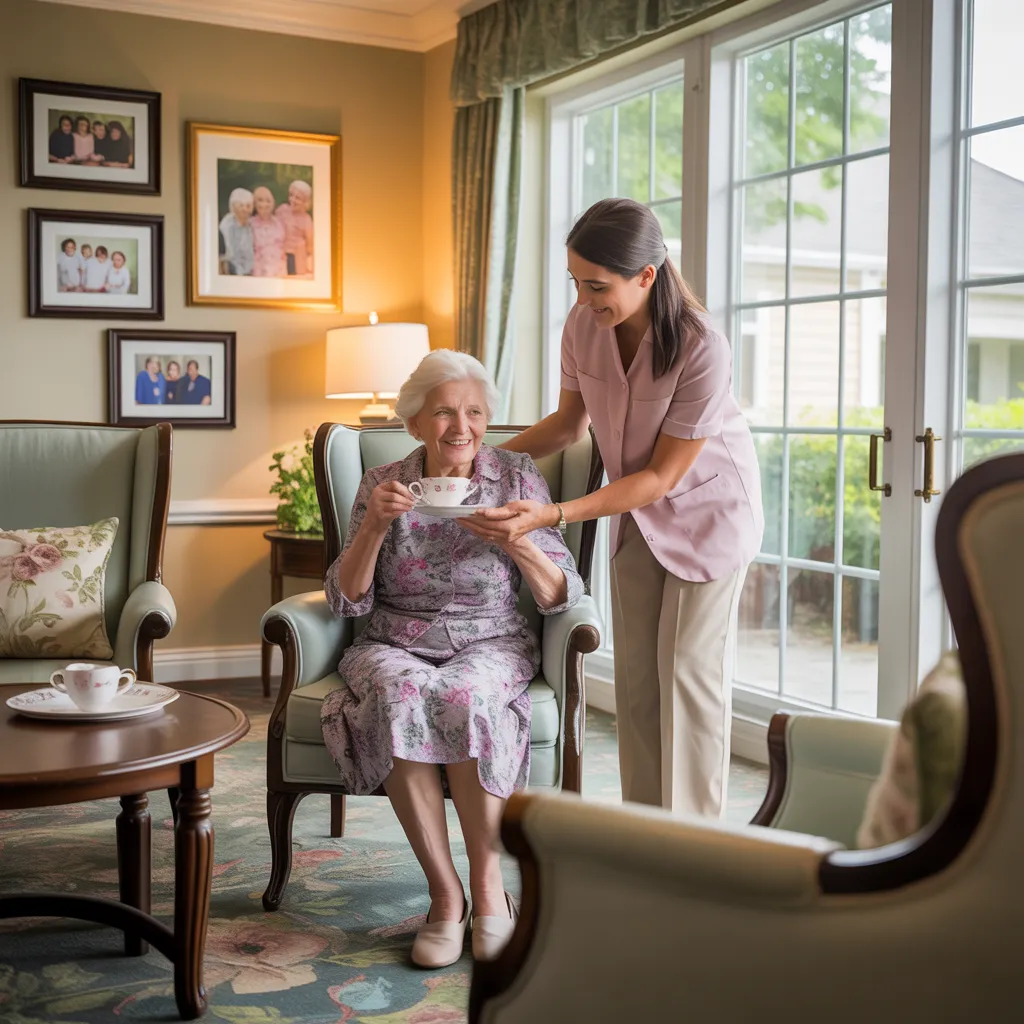
Specialized memory care services focus on addressing the distinct requirements of individuals facing cognitive challenges. These services highlight personalized care plans and engaging activities to enhance emotional well-being. Structured environments play an important role in fostering security and independence. Families also find support in the care process. Understanding how these elements come together can reveal significant insights into improving quality of life for residents and their loved ones. What are the key components of effective memory care?
 }
}Important Information About Memory Care Services You Ought to Recognize
What elements should one consider when exploring memory care services? First, it is essential to assess the amount of support required based on the individual's specific needs, including their mental capabilities and functional abilities. The environment of the facility is important; a safe, welcoming, and stimulating atmosphere can significantly improve the quality of life for residents. Staff qualifications and training are also important, as specialized training in dementia care ensures that caregivers are equipped to handle challenging behaviors with empathy. Additionally, it is crucial to copyrightine the facility's approach to activities and social engagement, which can create feelings of connection and inclusion. Finally, family participation and assistance programs should be evaluated, as they support the general health and happiness of both residents and their families. By thoroughly considering these factors, families can choose wisely regarding memory care options.
The Importance of Individualized Care Strategies in Cognitive Care
Individualized care plans are crucial in memory care, as they address the unique requirements and desires of each resident. These programs are customized to take into account individual histories, cognitive abilities, and psychological health. By assessing each resident's strengths and challenges, care providers can develop approaches that encourage dignity and independence while guaranteeing safety and comfort.
Implementing personalized care plans cultivates a sense of community and improves overall well-being. Residents feel valued when their choices about everyday schedules, recreational pursuits, and interpersonal connections are acknowledged. Additionally, these approaches facilitate strong dialogue between caregivers and families, guaranteeing everyone is united in backing the resident's path.
Routine appraisals of these plans enable changes based on varying requirements, facilitating a dynamic care approach. Ultimately, personalized care plans act as a cornerstone for compassionate, effective memory care, producing improved outcomes and a better living experience for residents.
Compelling Engagements for Memory Care
Stimulating activities constitute a important component of memory care, promoting cognitive stimulation and social interaction. These initiatives are developed to boost mental function while cultivating connections among residents. By incorporating tailored programs, memory care facilities can build a supportive environment that addresses both intellectual and emotional needs.
Brain Activation Tasks
Activities for cognitive stimulation are vital in enhancing the quality of life for people in memory care. These activities, intended to engage the mind, encompass puzzles, memory games, and problem-solving challenges that aid cognitive function. By involving themselves in these exercises, residents can strengthen their memory, attention, and overall mental agility. Such activities provide mental engagement and promote a feeling of accomplishment and purpose. Additionally, individualized cognitive stimulation can be adapted to personal preferences and abilities, making sure each person stays actively involved. In conclusion, these activities are important for maintaining cognitive health and cultivating a positive atmosphere within memory care settings. Through continual engagement, individuals can attain improved mood and a stronger sense of well-being.
Social Interaction Prospects
Connection is an essential aspect for individuals in memory care, as social engagement opportunities greatly improve their overall health. Activities meant for social interaction, including group games, art classes, and community outings, foster relationships among residents. These social activities not only provide enjoyment but also stimulate cognitive functioning and emotional health. Regular involvement in social activities boosts communication and reduces feelings of isolation, which are frequent in memory care settings. In addition, organized social environments allow caregivers to monitor interactions, adjusting support to each person's requirements. By promoting a sense of belonging and community, social engagement has a critical role in enhancing the quality of life for those living with memory challenges, upholding their dignity and self-worth.
Nurturing Settings in Dementia Care
Memory care spaces must be caring and crucial for shaping residents' quality of life and quality of life. These spaces should be distinguished by friendliness, safety, and customization to enable residents to feel protected and esteemed. Well-planned layout encourages mobility and ease of access, decreasing confusion and improving comfort.
Colors, illumination, and recognizable décor are instrumental in establishing peaceful environments that stimulate pleasant recollections. Outdoor spaces, like gardens and walking paths, offer opportunities for rest and engagement with nature, further enriching the experience.
Staff training in empathy and communication creates meaningful interactions, enabling care providers to more fully comprehend and address the needs of residents. Additionally, structured routines provide a sense of stability, assisting in reducing anxiety. Collectively, these components support a comprehensive method that not only addresses the cognitive challenges linked to loss of memory but also nurtures emotional and social well-being, enabling residents to thrive.
How Memory Care Facilities Support Families
Memory care centers serve an essential role in assisting families by offering psychological assistance and practical resources. They offer educational workshops that prepare families with the knowledge required to navigate the complexities of memory-related conditions. This holistic approach promotes a stronger connection between families and their loved ones in care.
Emotional Help For Households
Numerous families confronting the challenges of a loved one with memory impairment find comfort in the emotional support offered by specialized memory care facilities. These centers often employ compassionate staff trained to comprehend discover this the unique hardships families face. Consistent support groups allow families to connect with others in comparable situations, fostering a sense of community and shared understanding. Moreover, personalized counseling sessions can meet specific emotional needs, assisting families in managing feelings of guilt, grief, and frustration. Memory care facilities provide resources that promote open communication among family members, encouraging healthier family dynamics. This emotional support not only helps families cope but also improves the quality of care their loved ones obtain, cultivating a more positive atmosphere for everyone involved.
Educational Assets And Programs
Several memory care facilities present worthwhile knowledge materials and classes designed to empower families navigating the difficulties of mental decline. These courses often feature important matters, such as the stages of dementia, communication strategies, and nursing approaches. By offering expert-led sessions and interactive discussions, facilities help families build a deeper understanding of their loved ones' conditions.
In addition, resources like educational materials and online courses work alongside in-person workshops, ensuring families have gain important information at their convenience. Peer support networks may also be integrated, fostering community connections among family caregivers. Ultimately, these awareness programs not only enhance caregivers' skills but also promote emotional strength, allowing families to overcome challenges with greater confidence and compassion.
Authentic Success Stories From Memory Care Facilities
Success accounts from memory care facilities illustrate the deep impact tailored assistance can have on people facing cognitive challenges. One resident, Mrs. Thompson, experienced significant improvements after engaging in personalized art therapy sessions. At first reserved, she began to communicate herself creatively, resulting in improved social interactions and emotional wellness.
Yet another achievement narrative highlights Mr. Garcia, who excelled in a structured daily routine intended to boost memory retention. Using mental activities and memory-focused therapy, he restored his capacity to retrieve cherished family moments, cultivating connections with close family.
Facilities implement technology-assisted activities, such as virtual reality experiences, which have helped residents like Ms. Patel move through familiar environments, minimizing anxiety and confusion.
These practical illustrations illustrate how specialized memory care offerings not only enhance standard of living but also empower individuals, helping them to connect more fully with their local environments and social groups.
Often Asked FAQ
What Expertise Do Staff Members Bring to Memory Care Facilities?
Memory care center staff members typically possess credentials including degrees in nursing, psychology, or social work, in addition to specialized training in memory disorder management, communication skills, and background in tackling behavioral challenges stemming from memory impairments.
In What Manner Is Medication Management Performed in Memory Care?
Medication oversight in memory care facilities includes trained staff administering prescriptions, supervising dosages, and guaranteeing timely intake. Regular assessments are performed to alter medications as needed, prioritizing residents' safety and well-being throughout their care.
Do Health Insurance Plans Pay For Memory Support Programs?
Care services for memory issues may be partially funded by insurance, depending on the coverage plan. Families should reach out to their insurance providers to grasp specific coverage details, comprising any limitations or requirements for eligibility regarding memory care establishments.
What Security Precautions Are in Position for Residents?
Safety measures for occupants generally include secure environments, qualified personnel, crisis management procedures, routine safety inspections, and surveillance technology. These strategies aim to prevent wandering and ensure a secure, caring environment for people with memory challenges.
Do Residents Have the Opportunity to Take Part in Outings Outside the Facility?
Yes, residents can participate in getaways removed from the facility. These excursions are systematically organized to guarantee security and gratification, allowing subjects to interact in their setting while gaining the needed aid throughout the experience.